
When everything looks normal... but you don't feel normal.
Something still isn't adding up.
You've been told everything looks normal, but you still don't feel like yourself. The next step isn't another opinion. It's understanding how your nervous system is actually functioning.
- Objective measurements that guide rehabilitation
- Individualized brain rehabilitation
- Virtual and in-person care
Why am I still symptomatic?
A diagnosis can name what you're experiencing without fully explaining why symptoms continue.
You've been given a label.
Your imaging came back normal.
But the symptoms haven't resolved.
- Brain fog.
- Dizziness.
- Poor balance.
- Motion sensitivity.
- Fatigue.
- Or symptoms you can't quite explain.
Most diagnostic labels describe symptoms, not the underlying patterns in how your nervous system is functioning.
This is how we look deeper
Finding the patterns behind your symptoms.
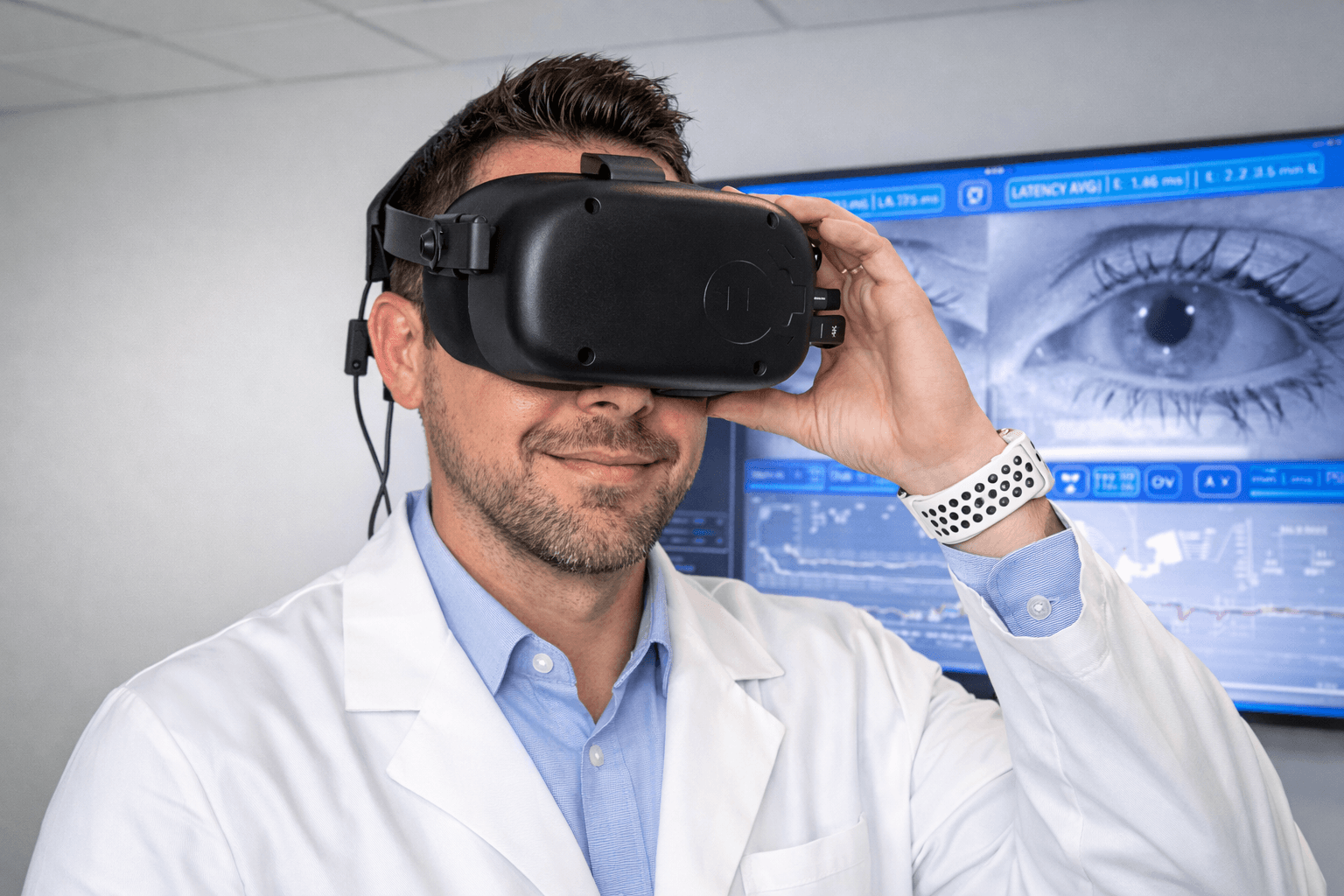
Eye movement testing, balance assessment, and timing evaluation measure how your nervous system is actually functioning. That understanding guides rehabilitation specific to your findings.
- Eye movement testing
- Balance assessment
- Timing evaluation
Objective change
What objective change can look like.
One advantage of objective testing is the ability to compare findings over time. Rather than relying only on symptoms, repeating the same assessment can reveal measurable changes and help guide the next phase of rehabilitation.
Watch both the eyes and the recordings below.
Day 1
- Eyelids appear heavy with visible fatigue.
- Eye movements require frequent corrections.
- Tracking appears effortful and inconsistent.
Day 5
- Eyes appear more open and alert.
- Eye movements are smoother and more controlled.
- Tracking is noticeably more consistent.
These recordings were taken five days apart. As you watch, notice both the patient's eyes and the eye movement recordings below. Along with the objective improvements shown in the recordings, the patient and his family reported that he became more engaged, more alert, and more like himself. Every person responds differently, but objective measurements help us understand whether rehabilitation is moving in the right direction.
Results vary. This example demonstrates how objective measurements may change over time and should not be interpreted as a guarantee of individual outcomes.
Now let's help you identify where your own symptoms may fit.
Where do I fit?
Start with what you're experiencing.
Choose what resonates. We'll point you toward explanations that fit.
One possible place to begin
Dizziness and vertigo
Vertigo and lightheadedness can continue even when standard tests are unremarkable.
Learn About DizzinessExplore What You're Experiencing →Can I learn more before booking?
Find explanations that make your symptoms make sense.
Search plain-language answers about dizziness, concussion, balance, visual motion sensitivity, and more.
Popular questions

Who is behind this approach?
Meet Dr. Ryan Worley.
I know what it's like to be searching for answers.
I became passionate about brain rehabilitation because I've experienced persistent symptoms myself. That experience shaped how I practice today: objective assessment first, then rehabilitation built around your specific findings.
Learn About Our ApproachCan you help me remotely?
Virtual Balance Coaching
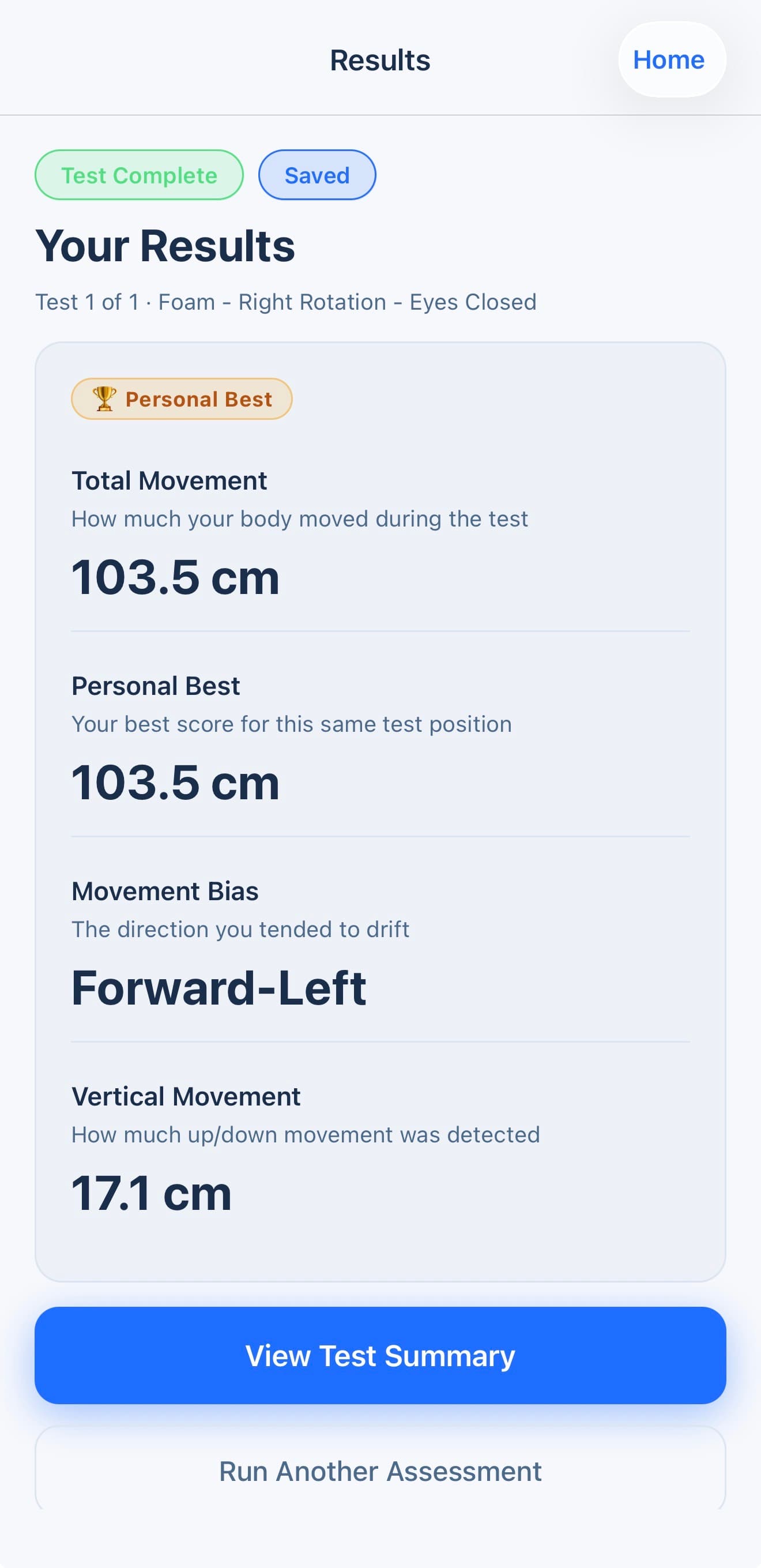
I built this because I wanted a better way to continue helping people remotely. The coaching is the experience. The Balance Audit powers the tracking, assessments, and progress between our sessions.
The Balance Audit is now available on iOS and Android.
Virtual Balance Coaching

The Balance Audit is an assessment and rehabilitation support tool. It does not diagnose medical conditions.
When you're ready
When you're ready for clarity.
We'll start with your story. In person or virtual.